The Pressure Cascade Experience puts founders and leadership teams in a fast-moving business situation. Time runs short, information narrows and the leader must decide how to use the team.
The group enters a realistic situation with tradeoffs, missing information and a major decision to make.
One person is the Founder and CEO. Four others lead finance, operations, people and customers, and sales strategy.
No one has the whole picture. The Founder decides what to ask, trust, test and do next.
Then the situation changes.
Each executive can give the Founder information, but not the answer.
Every question returns one fact. No one can give advice. The Founder must put the facts together.
As pressure rises, the best information gets harder to find.
Cash, risk and what the numbers support.
Capacity, timing, dependencies and promises the company can keep.
Team capacity, customer needs, trust and retention.
Options, deal terms, future opportunities and whether the company is solving the right problem.
The same decision moves through four rounds. There is no single right answer. The goal is to see how changing conditions affect the decision.
There is time to think. The team can look at many options.
New facts change the assumptions. The first plan no longer fits.
Time and cash get tight. Fast relief looks better, even as the terms get worse.
The outcome starts to feel personal, which makes the business decision harder to see clearly.
Pressure changes the leader's behavior. The team adapts, and the information coming back gets weaker. That creates more pressure.
At the end, all information is revealed. The Founder sees the facts that were in the company but never reached the decision.
The executives share what they would have decided. The group compares what each person knew, how sure they felt and what changed under pressure.
The question is no longer, "Did we choose the right answer?" It is, "Why did useful information fail to reach the decision?"
After the simulation, the group reviews what happened. The debrief connects their actions to the Pressure Cascade, Thinking Currents, Pressure Profile and Catch + 3C process.
Notice what you do more under pressure, who you ask, what you miss and how your confidence changes.
Watch what happens when the leader depends on one person or one source of information.
Ask what kind of thinking the situation needs, not just what feels most comfortable.
Practice Catch, Calm, Clarify and Commit while pressure is still present.
Compare your Pressure Profile with what you actually did in the room.
Find where a real decision may be missing facts, overloading one person or following an unhelpful story.
Create a clear way to discuss major founder decisions.
Move beyond discussion and see how people act under pressure.
See how pressure changes what leaders hear from their teams.
Give founders a shared way to make decisions as markets, teams and stakes change.
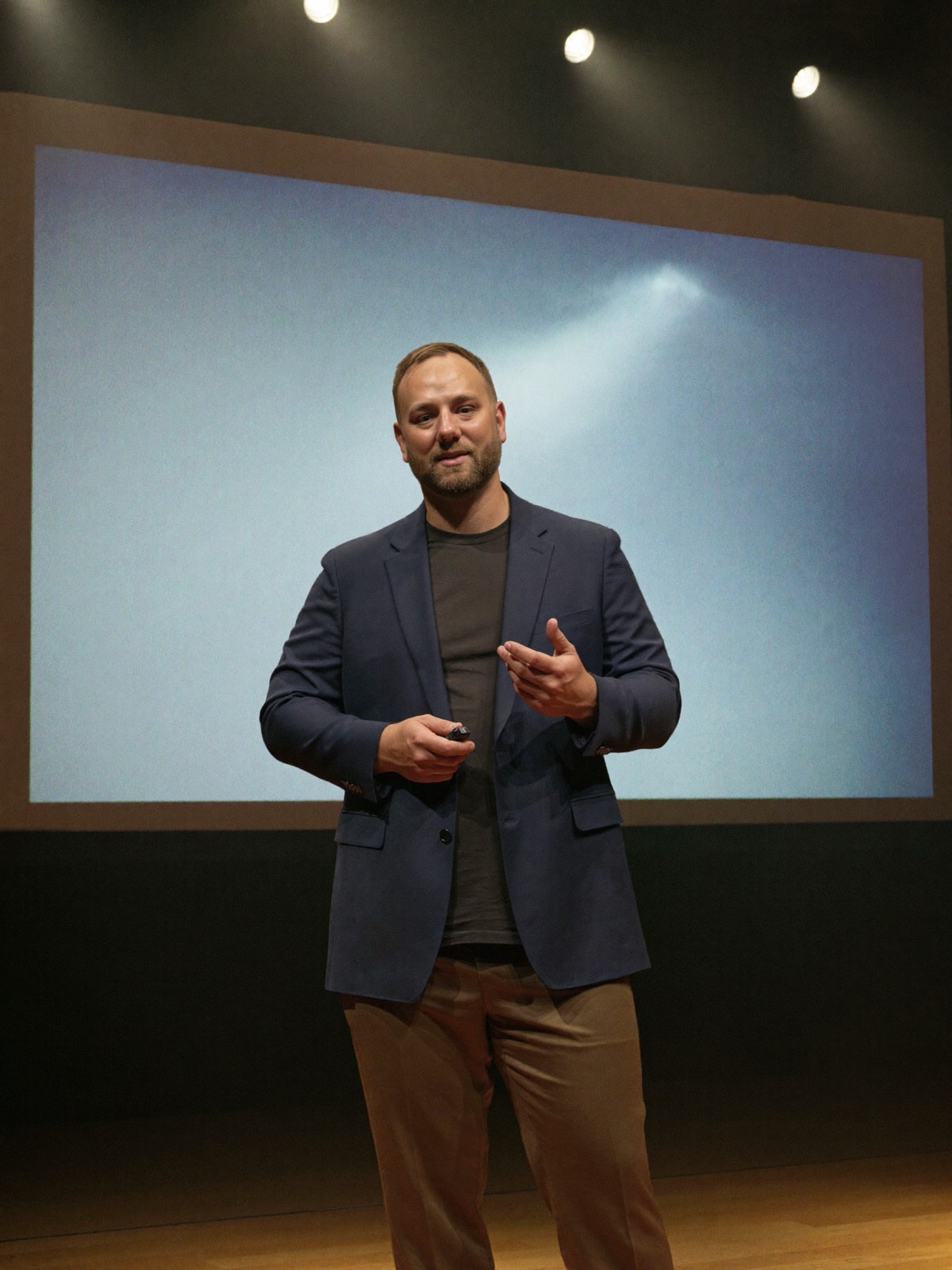
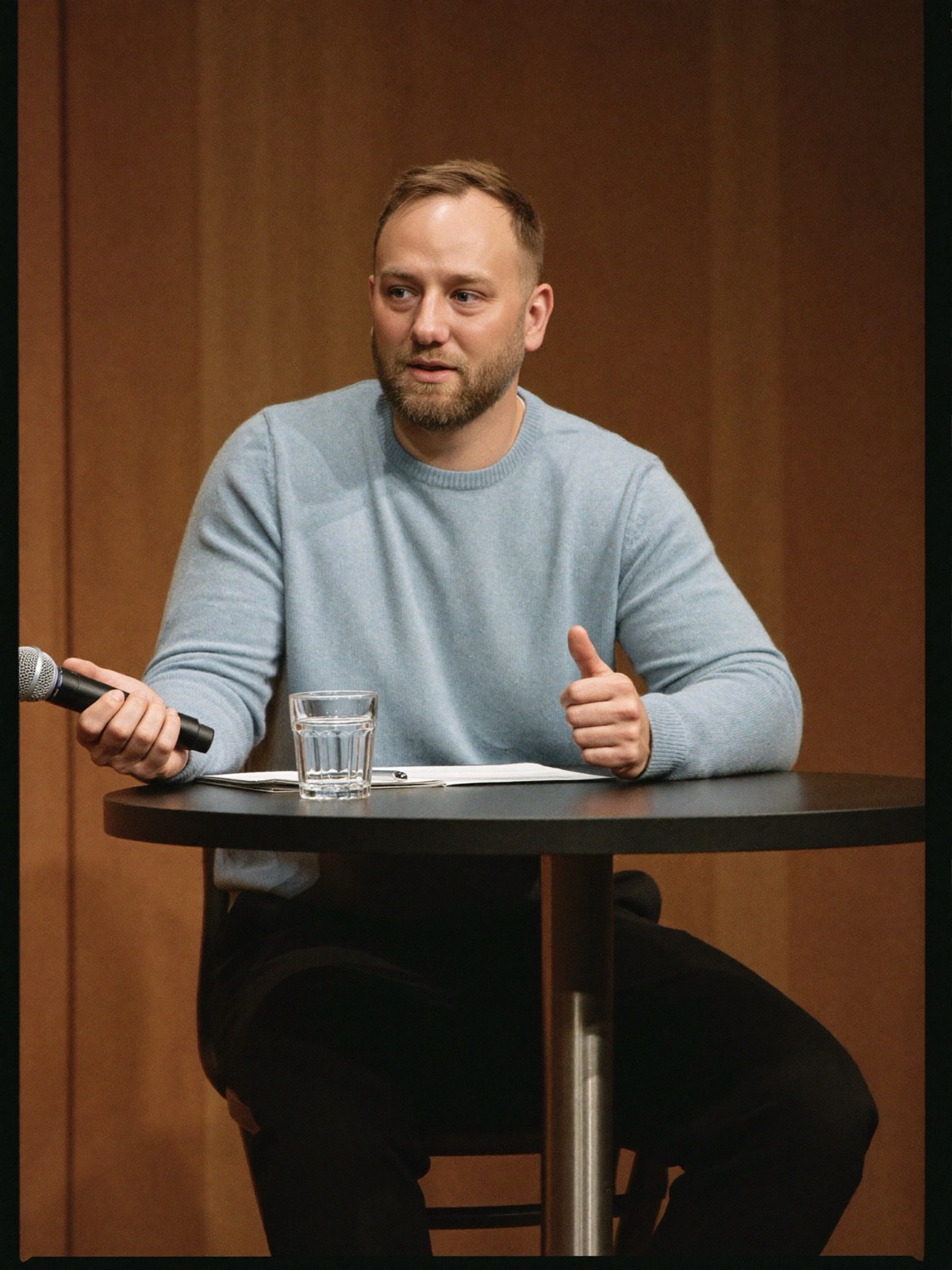
Phil Neil scaled a business from $81K to $63M in one fiscal year and later completed an exit.
He built the Pressure Cascade Experience to answer one question: what happens when pressure changes both the leader and the information they receive?
Phil runs the simulation, challenges the group's view and leads the debrief. The participants make their own decisions.

Tell us who will attend, what decisions they face and what you want them to do better under pressure.
Start a conversation Forum · retreat · leadership team · accelerator cohort